
what is the 80/20 rule of SEO
April 20, 2026Best 3-3-3 Rule in Marketing in SEO
April 20, 2026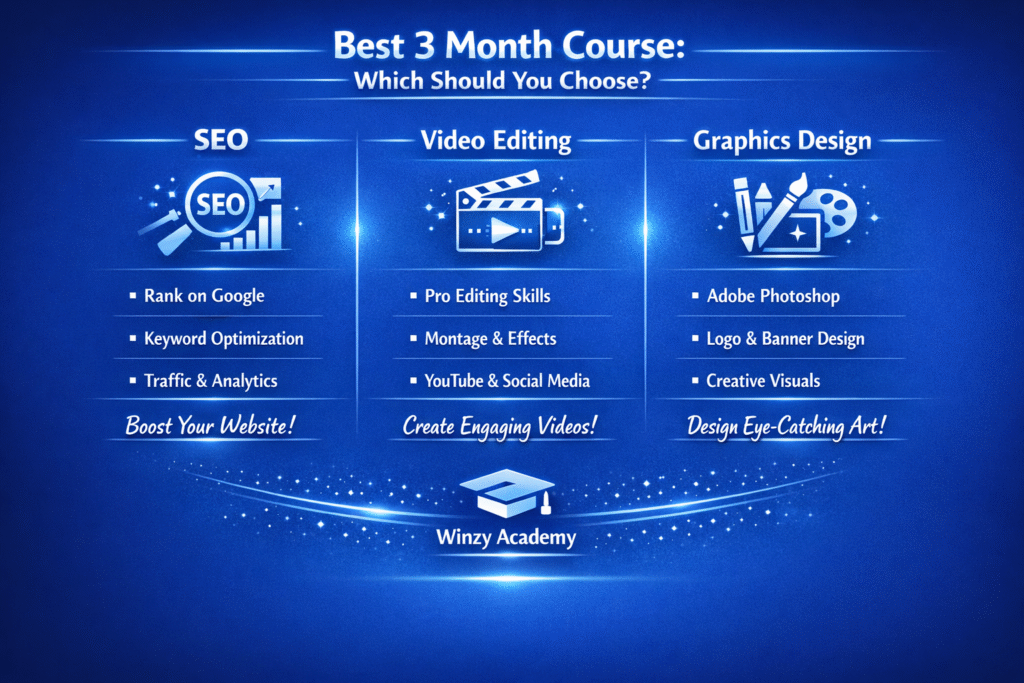
Which is the best 3 month course:
Best 3 Months Courses in Trichy
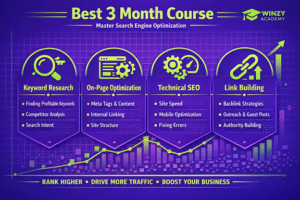
1.SEO:
Main Uses of SEO:
-
Increase Website Traffic: By ranking higher in search results, you get more visitors.
-
Build Credibility & Trust: People trust sites that appear at the top of search results.
-
Cost-Effective Marketing: Unlike ads, SEO brings long-term traffic without continuous spending.
-
Better User Experience: SEO improves site speed, mobile-friendliness, and navigation.
-
Competitive Advantage: Helps small businesses compete with larger ones online.
-
Local Reach: Local SEO ensures your business shows up in “near me” searches.
How SEO Works:
-
Keyword Optimization: Using relevant search terms in titles, headings, and content.
-
Content Quality: Publishing useful, original, and engaging material.
-
Technical SEO: Improving site speed, mobile-friendliness, and crawlability.
-
Link Building: Getting other reputable sites to link to your content.
-
User Experience: Ensuring easy navigation and clear structure.
Specialized Types of SEO:
- Video SEO: Improves visibility of video content on platforms like YouTube.
- Image SEO: Optimizes images with alt text, compression, and proper filenames.
On-Page:
SEO focuses on optimizing elements within your website, such as keywords, meta descriptions, headings, and content quality, to make it more relevant to search queries.
Off-Page :
deals with external factors like backlinks, social media signals, and brand mentions, which help build authority and trust in the eyes of search engines
Technical :
ensures that your site is easy for search engines to crawl and index by improving aspects like site speed, mobile-friendliness, secure connections (HTTPS), and structured data.
Local :
which helps businesses appear in location-based searches (like “restaurants near me”).
2.Video Editing:
Uses of Video Editing:
-
Storytelling: Shapes raw footage into a clear narrative for films, ads, or social media.
-
Marketing: Creates promotional videos, product demos, and ads that attract customers.
-
Social Media: Short-form videos (Instagram Reels, YouTube Shorts, TikTok) rely heavily on editing for impact.
-
Corporate Communication: Used in presentations, training modules, and internal communications.
Who Can Use Video Editing:
-
Digital Marketers: To create ads, product demos, and social media campaigns.
-
Content Creators: YouTubers, vloggers, and influencers use editing to make videos engaging.
-
Entertainment Industry: Filmmakers, music producers, and game developers rely on editing for storytelling.
-
Event Planners: Wedding videos, highlight reels, and personal event recordings.
-
Social Media Users: Everyday people use simple editing apps to make reels, Tik Toks, or short clips.
Benefits of Video Editing:
-
Professional Quality: Makes videos look polished with smooth transitions, effects, and clear audio.
-
Better Storytelling: Shapes clips into a clear narrative that captures attention and emotion.
-
Increased Engagement: Edited videos hold viewers’ interest longer, especially on social media.
-
Brand Building: Consistent style and quality strengthen a business’s identity and credibility.
-
Versatility: Useful for marketing, education, entertainment, and personal projects.
-
Higher Reach: Well-edited videos are more likely to be shared, boosting visibility and audience growth.
-
Time Efficiency: Removes unnecessary parts, keeping content concise and impactful.
3.Graphics design:
Uses of Graphic Design:
-
Branding: Logos, business cards, and brand identity systems.
-
Marketing: Posters, brochures, social media posts, and advertisements.
-
Web & App Design: User interfaces, icons, and layouts that improve usability.
-
Education: Infographics, diagrams, and e-learning visuals to simplify complex topics.
-
Entertainment: Visuals for movies, games, and animations.
-
Corporate Communication: Presentations, reports, and internal documents with professional design.
Key Benefits of Graphic Design:
-
Strong Branding: Logos, colors, and consistent visuals build recognition and trust for businesses.
-
Better Communication: Simplifies complex information through infographics, charts, and visuals.
-
Professional Appeal: Makes websites, ads, and presentations look polished and credible.
-
Audience Engagement: Eye-catching designs attract attention and encourage interaction on social media.
-
Emotional Connection: Visuals can evoke feelings more effectively than text alone.
-
Competitive Advantage: High-quality design helps small businesses stand out in crowded markets.
Applications of Graphic Design:
-
Branding & Identity: Logos, business cards, packaging, and brand guidelines that build recognition.
-
Marketing & Advertising: Posters, brochures, flyers, billboards, and social media creatives to attract customers.
-
Web & App Design: User interfaces (UI), icons, and layouts that improve usability and user experience.
-
Education: Infographics, diagrams, and e-learning visuals that simplify complex topics.
-
Entertainment: Visuals for movies, video games, animations, and music album covers.
-
Corporate Communication: Presentations, reports, and internal documents with professional design.
-
Publishing: Book covers, magazine layouts, and editorial design.

Related posts
April 21, 2026