


How to Use Social Media for Business
April 28, 2026How to Start Social Media for Business
April 29, 2026
How to Use Social Media for Business Marketing
Introduction
Social Media Marketing for Business is one of the most powerful tools in today’s digital world.Social media is now one of the most powerful tools for business marketing. Platforms like Facebook, Instagram, YouTube and LinkedIn let businesses reach millions of potential customers directly. It’s different from newspaper ads or TV spots. Cheaper, more interactive, and you can measure what works. Small startups and big companies both use it to promote products and grow sales. This guide explains how to use social media for business marketing. Lots of subheadings and practical detail.
Understanding Social Media Marketing
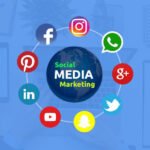
Social media marketing means using social platforms to promote a business, product or service. You make and share content. Posts and images. Videos and stories. The idea is to attract an audience and get them to act. Buy something. Visit a website. It can include paid ads, working with influencers, and talking to customers in comments and messages. A big advantage is you can target people by age, location, interests and behavior. That makes ads more effective than old-school methods.
Importance of Social Media Marketing for Business

Not every platform fits every business. Pick one based on what you sell and who you want to reach. Instagram works well for visual products like fashion and food. Facebook reaches a wide range of people and supports different post types. LinkedIn is the pick for B2B and professional services. YouTube is the place for videos, tutorials and demos. Find where your audience spends time and focus there.
Creating a Strong Profile
Your social profile is the brand’s digital ID. Make it look professional and clear. Use a good logo, a short business description, contact details and a website link. Keep branding consistent. Same colors, fonts and tone. That builds recognition. A strong profile makes a better first impression and gets people to follow and engage.
Content Creation Strategy
Content is what drives social media. Make stuff people want to see. High-quality photos and videos. Posts that teach or entertain. Stories that show behind the scenes. Like a food business posting recipes, cooking tips and short kitchen videos. Plan ahead with a content calendar. Post regularly and keep the tone steady. Good content gets more engagement and builds trust.
Importance of Visual Content
Visuals catch attention. Instagram and YouTube are built for images and video, so those work better than long text there. Use clear photos, simple graphics and short videos that match your brand. Spend some time editing. It makes posts look sharper and more clickable.
Engaging with the Audience
Social is not just one-way. Reply to comments and messages. Answer reviews. It shows you care. Ask questions and run polls. Encourage customers to share their own photos. When people feel connected to a brand they stick with it longer.
Using Hashtags and Trends
Hashtags help people find posts. Use ones that fit your industry and audience. A fitness brand might use #FitnessGoals or #HealthyLiving. Jumping on trends and viral challenges can boost reach. But only join trends that make sense for the brand. Otherwise it feels off.
Social Media Advertising
Paid ads are a quick way to reach more people. Facebook and Instagram have detailed ad tools so you can target by demographics, interests and behavior. That raises the chance of reaching people who actually want your product. Ads are cost-effective and you can track results.
Influencer Marketing
Influencer marketing means partnering with people who already have a following. They can promote your product to their fans and lend credibility. A beauty brand might work with a popular makeup artist on Instagram or YouTube. Choose influencers who match your brand and audience.
Analyzing Performance
Track performance to see what works. Most platforms give analytics with likes, shares, comments, reach and engagement. Look at that data. Find posts that perform well and copy what’s working. Check regularly so you can tweak the strategy.
Consistency and Patience
Success doesn’t happen overnight. Post regularly. Keep your voice steady. Keep improving content. It takes time to build a loyal audience. Stick with it.
Advantages of Social Media Marketing
Social media can be low cost and reach a lot of people. It lets you talk directly to customers and drive traffic to your site. You can also watch market trends and see what competitors do. Used right, it helps grow the business.
Challenges in Social Media Marketing
There are downsides. Lots of competition. Algorithms change. Negative feedback happens. Running several platforms and making steady content takes time. Businesses need to adapt and keep learning.
Conclusion
Social media marketing matters for businesses today. Pick platforms like Facebook, Instagram, YouTube and LinkedIn. Make engaging content, talk to your audience and track results. It takes effort and consistency, but it can build a strong online presence and help a business grow.
