


How to Use Social Media for Business Marketing
April 29, 2026Social Media Marketing for Business?
April 29, 2026How to Start Social Media for Business

Social media is now one of the strongest tools for business growth in today’s digital world. Whether you run a small shop, a startup, or a large company, social platforms help you reach customers, promote products, and build your brand identity. Starting social media for your business can seem easy. But doing it well takes planning and a clear strategy. And you have to be consistent. This guide walks you step-by-step through how to start social media for your business in a proper and professional way.
Understanding the Importance of Social Media for Business
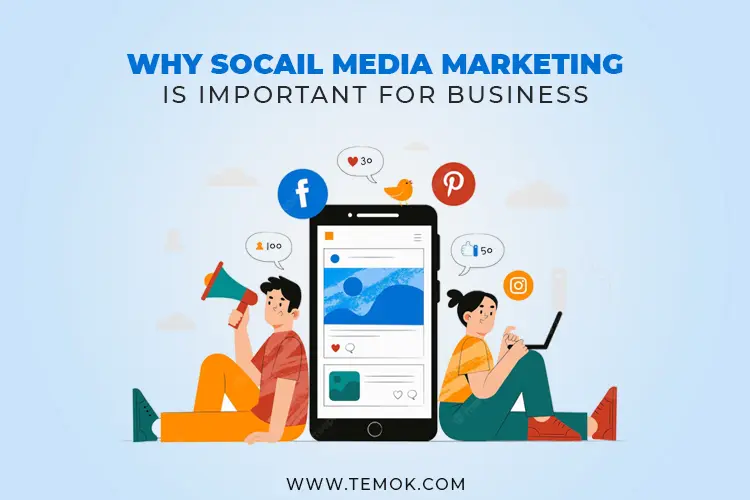
Before you start, know why social media matters. It lets businesses reach a large audience at low cost. Helps raise brand awareness. And it gets customers more engaged and can boost sales. People spend a lot of time on Facebook, Instagram and YouTube today. If your business isn’t there, you could lose lots of potential customers. Social media also lets businesses talk directly to customers. Learn what they need and build trust.
Choosing the Right Social Media Platforms
Not all social media platforms fit every business. Pick ones that match your target audience and your business type. Instagram works best for fashion and food since it’s all about visuals. Facebook reaches a broad crowd, so it helps almost any kind of business. LinkedIn is for professionals and B2B companies. YouTube is great for videos, like tutorials or product reviews. Don’t try to be everywhere. Stick to 2–3 platforms where your audience actually shows up and engages with you.
Setting Clear Business Goals
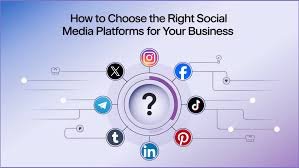
Figure out your goals before you set up social media accounts. Ask yourself what you want from social media. Maybe you want to raise brand awareness. Or get leads. Send people to your website. Or boost sales. Knowing your goals makes it easier to make content and see if it works. Without goals you’ll just be guessing.
Creating a Business Profile

After you pick the platforms, make professional business profiles. Use your business name as the username so things match. Put a clear profile picture. Your logo works. Write a short appealing bio that says what your business does. Add contact info and a link to your website. Then put your location. A good profile makes a strong first impression and helps customers trust you.
Understanding Your Target Audience

Know your audience in social media marketing. Figure out who your customers are. Their age and interests. Where they live and how they behave. Young people tend to use Instagram and TikTok. Older folks often stick to Facebook. When you understand your audience, you can make content that attracts them and meets their needs. That boosts engagement and ups your chances of success.
Planning Your Content Strategy
Content is the heart of social media. Plan what type of content you’ll post and how often. Post product photos and some videos. Share customer reviews, write short educational posts. Toss in a few tips and behind-the-scenes looks. Make sure it’s useful to you

r audience and holds their interest. Don’t post only promotional stuff. Keep a mix of info and promos.
Creating High-Quality Content
Posting Consistently
Consistency is key for social media. Post on a schedule. It keeps people engaged and boosts visibility. Make a content calendar and plan posts ahead. You could post 3–5 times a week, depending on the platform. Don’t post too much or too little. Posting like this builds trust and keeps people interested.
Using Hashtags and Keywords

Hashtags help your content reach more people. Use relevant and trending ones that match your products or audience. If you run a food business, try things like #food and #restaurant. Or use #homemadefood. Keywords matter for search visibility. The right hashtags and keywords make it much more likely new users will find your content.
Engaging with Your Audience

Social media isn’t just about posting. It’s about talking to people. Reply to comments and answer messages. And thank your followers often. Engaging with your audience builds relationships and trust. When customers feel valued they are more likely to support your business. Ask questions. Run polls. Get people involved.
Using Paid Advertising

If you want faster results, try paid ads on social media. Platforms like Facebook and Instagram let you run ads aimed at specific audiences. Paid ads help you reach more people and can boost sales while growing your followers. Start with a small budget. Analyze the results before you invest more.
Analyzing Performance

Want to improve your social media strategy? Track how you’re doing. Most platforms have analytics. They show likes and shares, the number of comments, and how far posts reach. Look at which posts do well and which flop. That tells you what your audience likes. Then use the data to make future posts better.
Avoiding Common Mistakes

Influencer marketing helps grow your business. Influencers already have a big audience that trusts them. If they promote your product you get more reach and your brand looks more credible. Pick influencers who match your business and who actually have real followers.
Many beginners mess up when they start social media for business. Don’t post low-quality stuff. Don’t be inconsistent. Don’t ignore people who engage. And don’t just try to sell all the time. Social media is about building relationships. Also, don’t copy others. Make your own content.
Conclusion
Starting social media for your business isn’t hard. It takes planning and effort. Pick the right platforms and know your audience. Make good content and post regularly. Do that and you’ll grow your business online. Social media can really help if you use it well. It can take your business to the next level. Be patient and keep learning. That’s how you win at social media marketing.
