


Which 3 month course is best?
April 20, 2026best SEO for dynamic websites?
April 21, 2026
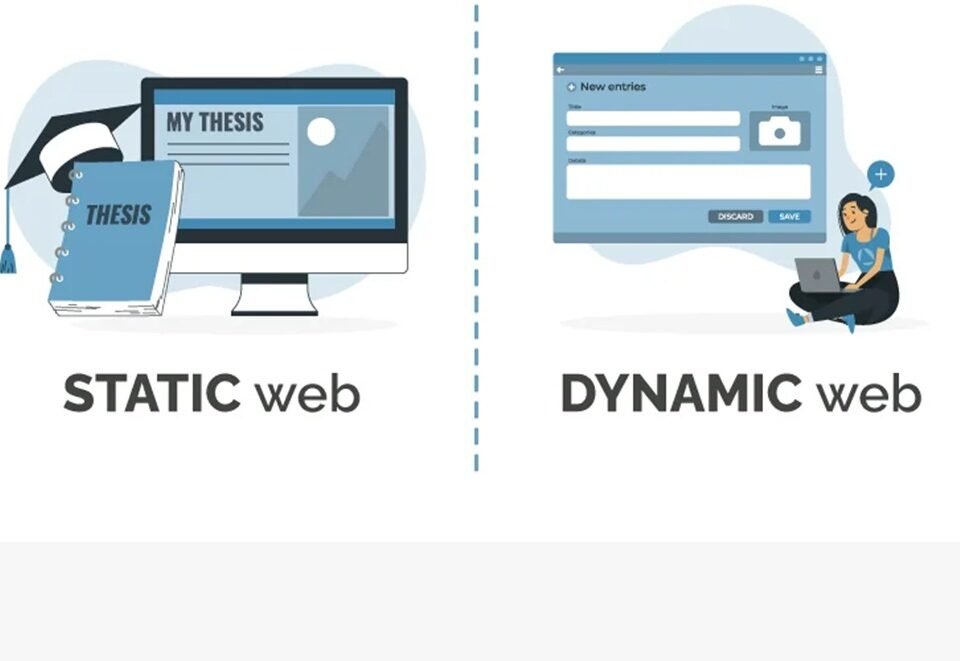
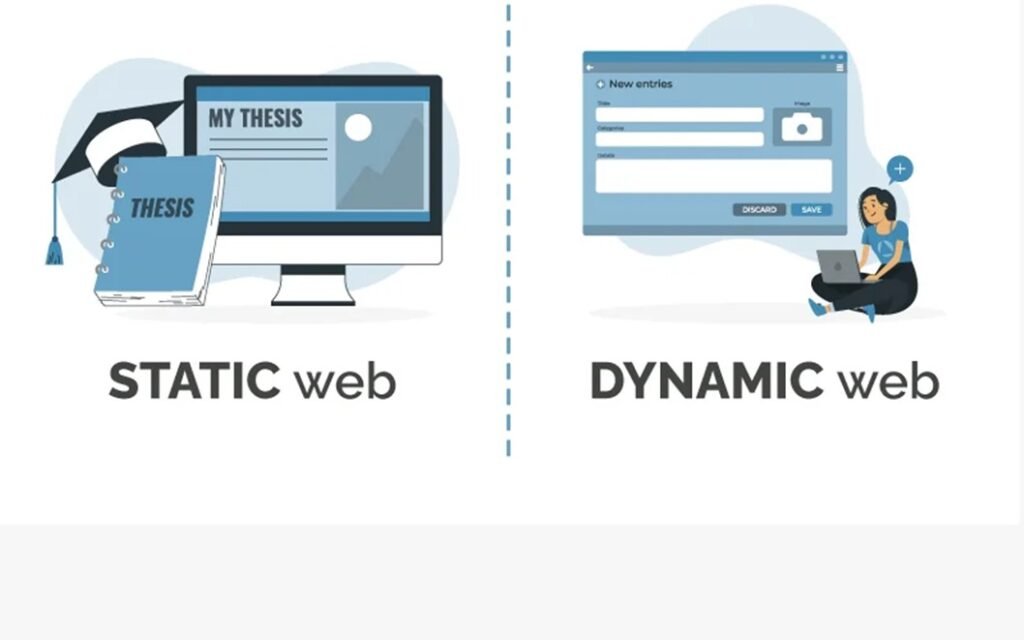
Advantages and disadvantages of dynamic websites?

Advantages:
- Personalized experiences: content can be tailored to individual users, such as amazon’s product recommendation or Netflix’s curated watch lists.
- High interactivity: They support complex features like user accounts, shopping carts, comment section, and real-time chat.
- Real-time updates: changes appear instantly, making them ideal for news portals, social media, and inventory-heavy e-commerce stores. Advantages and disadvantages of dynamic websites
Disadvantages:
- Potential Performance Issues: Since content is generated on-the-fly, load times can be slower compared to static pages, especially if the site isn’t properly optimized with caching or CDNs.
- Increased Security Risks: Databases and server-side scripts provide more entry points for cyberattacks like SQL injection and cross-site scripting (XSS), necessitating regular security patches.
- Expensive Hosting: Dynamic sites require more processing power and memory than static ones, which generally results in higher monthly hosting fees.Advantages and disadvantages of dynamic websites
Advantages of Dynamic Websites
-
Personalized User Experience:
- One of the greatest advantages of dynamic websites is their ability to deliver a personalized experience for users. By monitoring user preferences, or location, dynamic websites present tailored content in real-time. This capability is especially beneficial for e-commerce sites, news platforms, and content-driven websites

Example: Video streaming platforms like Netflix provide users with personalized recommendations based on their viewing history.
Automatic Content Updates:
Dynamic websites can automatically update content without requiring manual intervention from a developer. This feature is particularly advantageous for websites that need to display frequently changing information, such as news sites, blogs, or social media networks.

Example: News websites automatically update with the latest headlines and articles.
Greater Interactivity:

Example: Social networking sites like Facebook or Twitter allow users to post, comment, and interact with other users in real-time.
Scalability and Flexibility:
- Dynamic websites can easily scale to accommodate increasing amounts of content or users without requiring a complete redesign. The use of content management systems (CMS) allows even non-technical users to manage and update the site, making it flexible and adaptable to changes.

Example: E-commerce sites can scale by adding new product categories, promotions, or user features without requiring a major overhaul.
Better SEO Opportunities:
- Dynamic websites are often more SEO-friendly than static websites. Because they can automatically generate unique metadata (e.g., page titles, descriptions, and URL structures), dynamic sites are better suited to search engines. Additionally, the regular content updates improve the site’s visibility and ranking on search engines.What are the disadvantages of dynamic web pages?

Example: Blogging and news websites benefit from frequent updates, which help them rank higher in search engine results.
Data-Driven Insights:
- Dynamic websites can gather valuable user data, such as site visits, clicks, and interaction rates. This data can help businesses make informed decisions about content strategy, marketing, and user experience improvements.Advantages and disadvantages of dynamic websites
Example: Online stores can track customer behaviour and sales to adjust product offerings and optimize marketing campaigns.

Disadvantages of Dynamic Website
-
Higher Development and Maintenance Costs:
- Dynamic websites are more complex to build and maintain than static websites. The development process involves server-side programming, database integration, and continuous maintenance, which requires a higher level of technical expertise. Over time, there are also ongoing updates, troubleshooting, and security patching to keep the site running smoothly.
Example: A custom-built e-commerce website requires continuous maintenance, including updates to software, security patches, and server management.
Expensive Hosting Needs:
- Dynamic websites rely on databases and server-side scripting, which require more powerful hosting environments. Hosting a dynamic site is generally more expensive than hosting a static site because it demands more processing power and larger servers capable of supporting real-time content updates.
Example: Hosting a large e-commerce site with real-time inventory updates and personalized recommendations requires more resources than hosting a basic informational site.
Slower Loading Time:
- Dynamic websites are typically slower than static websites because they generate content on the fly by querying databases. If the site is not properly optimized, this can result in slow loading times, negatively affecting user experience and increasing bounce rates.Advantages and disadvantages of dynamic websites
Example: A large e-commerce site with multiple product categories and real-time filtering may take longer to load compared to a simple informational website.
Security Risks:
- Because dynamic websites are often connected to databases and incorporate complex features, they are more vulnerable to cyberattacks, such as SQL injection, cross-site scripting (XSS), and data breaches. Ensuring the security of dynamic websites requires careful attention to detail, robust coding practices, and regular security audits.
Example: E-commerce sites that store sensitive customer data (e.g., credit card information) are prime targets for cybercriminals and require stringent security measures
Needs Constant Content Management:
- Although dynamic websites can automatically update content, they still require substantial management, particularly when dealing with large volumes of content. Content management systems (CMS) need to be properly configured, and ongoing oversight is necessary to ensure content quality, accuracy, and relevance.Advantages and disadvantages of dynamic websites
Example: Blogs or online magazines need editors and writers to consistently produce fresh content to keep the website relevant
A Likely Candidate for Over-Engineering:
- As dynamic websites evolve and more features are added, they can become overly complex, which may make troubleshooting more difficult. Over-engineering a site can lead to a confusing user experience, with too many interactive elements or a cluttered design.
Example: A website overloaded with features like excessive pop-ups, confusing navigation, or unnecessary interactivity may frustrate users and lead to higher abandonment rates.
conclusion:
- Dynamic websites are indispensable for applications requiring personalized content, complex functionality, or frequent updates. They empower rich user experiences and streamline content management for large, evolving platforms. However, this flexibility comes at the cost of increased complexity, potentially slower performance if not optimized, higher development effort, and greater security considerations. The choice between a dynamic and static site ultimately depends on the project’s specific requirements for functionality, budget, performance, and ease of maintenance.