



Best Courses for 100% Placement and High Salary Jobs in 2026
April 20, 2026
Which Is the Best Short-Term Course for Jobs in 2026
April 20, 2026
What are the disadvantages of dynamic web pages?
best disadvantage dynamic web pages:
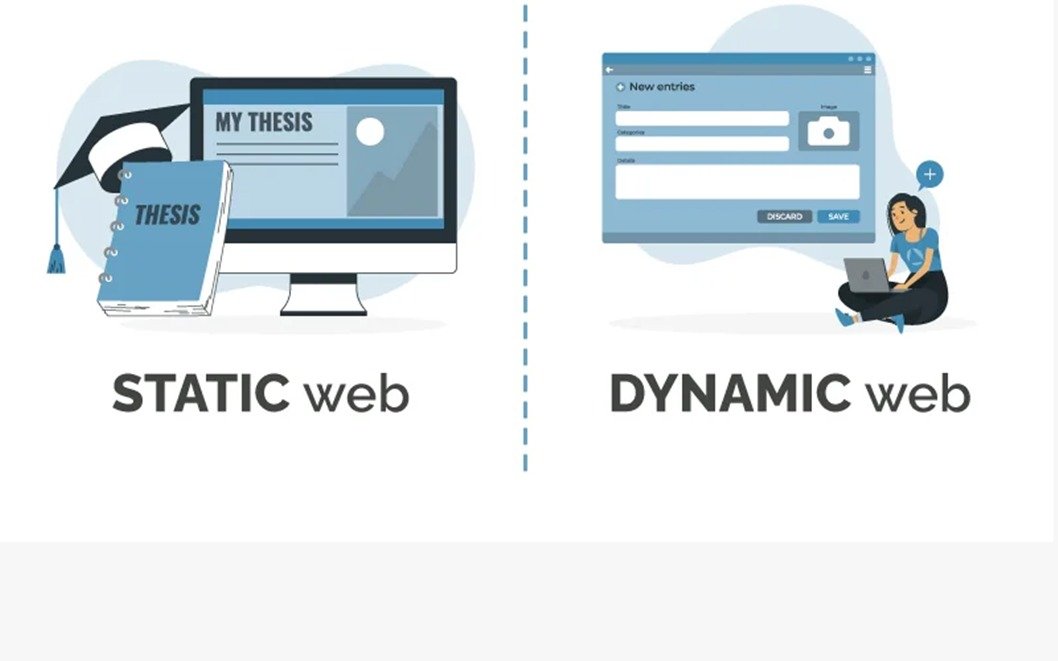 While dynamic websites offer high interactivity and personalization, they come with significant trade-offs in terms of cost, speed, and security. One major drawback is their complexity—since they rely on server-side scripting, databases, and frameworks, they are harder to develop and maintain compared to static sites.
This also makes them more expensive, as they often require skilled developers and ongoing maintenance. Security is also a concern, as dynamic websites are more vulnerable to attacks like hacking or data breaches if not properly secured. Additionally, Overall, while dynamic sites offer flexibility and interactivity, they require more resources, time, and careful management
Key Components of a Disadvantages Paragraph:
- Topic Sentence: Starts with a clear sentence introducing that the paragraph will discuss the drawbacks (e.g., “Despite these advantages, however, some drawbacks do exist…” or “On the other hand, there are significant downsides to…”).
- Supporting Points (Arguments): Focuses on one or two main negative aspects, such as environmental destruction, health issues, high costs, or social issues.
- Explanation & Evidence: Explains why the point is a disadvantage and provides evidence or a specific example (e.g., citing the impact of tourism on a specific city like Venice)
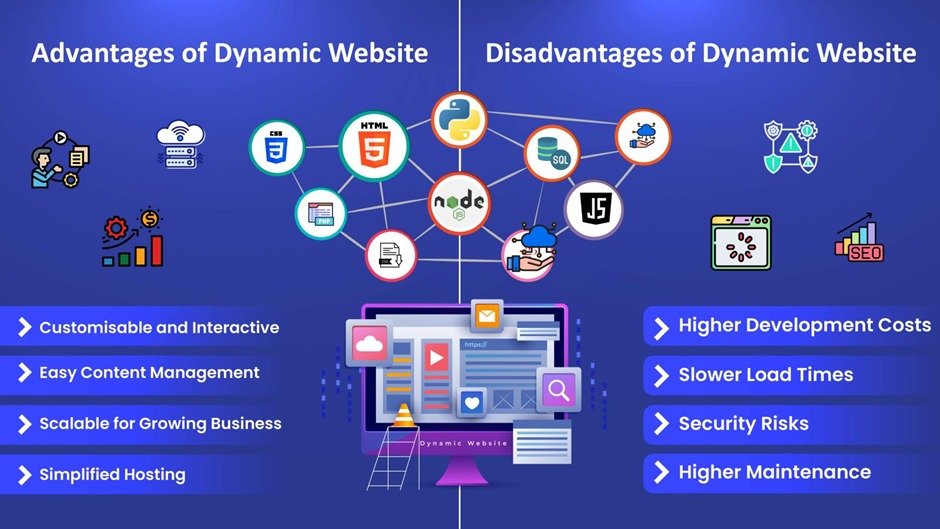
Higher Development Costs:
Building a dynamic site is more expensive than a static one because it requires complex server-side programming (like PHP, Python, or Ruby) and database integration. High development costs represent the substantial financial investment, resource allocation, and time required for research, engineering, and testing necessary to bring a new product, technology, or structure to market.
These costs act as a significant barrier to entry, particularly in sectors like pharmaceuticals, software, and urban infrastructure, where creating complex, innovative, or specialized assets requires immense upfront capital before any revenue is generated. What are the disadvantages of dynamic web pages in the 2026? High development costs are often driven by specialized labor, material procurement, rigorous testing, prototyping, and regulatory compliance fees.
In many industries, such as high-tech manufacturing, these expenses are increasingly hard to manage, as companies must innovate rapidly to outpace competitors, often leading to a concentration of resources and high financial risk, where a single failure can lead to severe financial losses
1.Slower Loading Times:
Because content is generated “on the fly” by querying databases rather than serving pre-built files, dynamic pages often have higher latency. A critical performance metric where speeds exceeding 1–3 seconds often lead to high bounce rates, decreased user engagement, and lower search engine rankings.
Common causes for this latency include unoptimized, high-resolution media files, excessive HTTP requests, excessive render-blocking JavaScript, lack of browser caching, and slow server response times. The impact on business is significant; studies indicate that even a one-second delay can cause a 7% reduction in conversions, significantly hurting revenue for online platforms. What are the disadvantages of dynamic web pages?
- User Behavior: Over half of visitors (53%) will abandon a mobile site that takes longer than 3 seconds to load.
- Causes: Key contributors to sluggish performance are unoptimized high-resolution images, too many third-party scripts, lack of caching, and poor web hosting performance.
- Business Impact: Slow speeds severely affect SEO rankings and, for e-commerce, can result in massive revenue losses due to high bounce rates.
- Solutions: Improving speed involves compressing images, leveraging browser caching, minifying code, reducing redirects, and utilizing Content Delivery Networks (CDNs).These weaknesses often stem from coding errors (such as SQL injections or buffer overflows), poor system configuration, unpatched applications, or human error.
2.Performance and Speed Bottlenecks:
A performance bottleneck occurs when a single component or process restricts the overall throughput or speed of a system, creating a congestion point that degrades user experience and capacity. What are the disadvantages of dynamic web pages?Just as a narrow bottleneck restricts the flow of liquid, computing bottlenecks (e.g., CPU, memory, or network limitations) cause requests to queue, leading to high latency and sluggish application behavior.dynamic website with SEO?
Identifying these constraints is essential in system design to ensure scalability, with common causes including inefficient code, insufficient infrastructure, or excessive database loadWhat are the disadvantages of dynamic web pages?. Addressing these, often via techniques like caching, load balancing, or optimizing queries, directly increases system performance.
- Dynamic sites are generally slower to load because the server must perform multiple tasks before delivering a page to the user. Every time a visitor clicks a link, the server must process code and fetch data from a database to “build” the page on the fly.
3.Security Vulnerabilities:
These weaknesses often stem from coding errors (such as SQL injections or buffer overflows), poor system configuration, unpatched applications, or human error. When a vulnerability is identified but not yet patched, it is often referred to as a “zero-day,” providing a window for attackers to exploit it. Common examples include broken authentication, Cross-Site Scripting (XSS), and weak security controls.
- Proactive identification through tools like vulnerability scanners and regular updates are essential for mitigation and protecting IT systems.
- Dynamic sites are more susceptible to cyberattacks like SQL injection and Cross-Site Scripting (XSS) because they constantly interact with databases and process user input.
- SQL Injection: Where malicious code is inserted into entry fields to manipulate the database.
- Cross-Site Scripting (XSS): Where attackers inject scripts into web pages viewed by other users.
- To stay safe, developers must implement rigorous security protocols and constant monitoring, which adds another layer of complexity.
4.Increased Maintenance:
They require regular software updates, security patches, and database optimizations to remain functional and secure.
- Unlike reactive approaches, increased maintenance involves consistent inspection, lubrication, and part replacements to minimize downtime, ensure safety, and optimize operational efficiency.These weaknesses often stem from coding errors (such as SQL injections or buffer overflows), poor system configuration, unpatched applications, or human error.
Key Aspects of Increased Maintenance:
- Preventive Focus: It is proactive, focusing on fixing minor issues before they escalate into major, costly failures.
- Operational Benefits: This approach reduces unplanned downtime and lowers long-term repair costs by ensuring machines operate at peak condition.
- Strategic Importance: It is crucial for maintaining safety standards, reducing environmental impact through efficiency, and maximizing the return on investment.
- Common Applications: Examples include routine vehicle service, regular building inspections, and scheduled software updates
Technical and design challenges:
- power and memory to handle real-time content updates and database calls. are critical hurdles that professionals must overcome to transform concepts into successful products. Technical challenges usually involve well-defined problems with known solutions,
- such as repairing a broken appliance or balancing a budget. Design challenges are broader, requiring creative problem-solving and unique hardware or software to develop new interactions or applications .
- These weaknesses often stem from coding errors (such as SQL injections or buffer overflows), poor system configuration, unpatched applications, or human error.
Key Challenges Summary:
- Balancing Creativity and Functionality: Striking the right balance between aesthetic design and practical usability.
- Technological Advancement: Keeping up with fast-evolving technologies like AI and AR, which require continuous learning.
- Cross-Platform Consistency: Ensuring a seamless user experience across different operating systems and device sizes.
- Data Security and Ethics: Integrating privacy-by-design to handle user data responsibly.
- Resource and Time Constraints: Delivering high-quality work within limited budgets and tight deadlines.
- Complex System Integration: Dealing with backend constraints, such as API limitations or regulatory requirements.

Modern design is a constant negotiation between creative ambition and the rigid constraints of technology, where professionals must balance visual excellence with practical performance.
Technical challenges frequently stem from the rapid pace of innovation, forcing teams to design for multiple devices and platforms while ensuring accessibility and data security.
Simultaneously, design challenges often revolve around managing stakeholder expectations, overcoming creative blocks, and adhering to tight deadlines that threaten the depth of user research.
Bridging the gap between a visually stunning concept and a functionally sound product requires deep cross-functional collaboration, ensuring that aesthetic choices do not compromise site speed or the overall user experience.
Professionals often use structured frameworks to navigate these hurdles:
Professionals often use structured frameworks to navigate these hurdles, transforming complex, ambiguous challenges into manageable, actionable steps. These frameworks—such as SWOT analysis (strengths, weaknesses, opportunities, threats), the Eisenhower Matrix for prioritization, or the OODA loop (observe, orient, decide, act)—provide a methodical approach that reduces reliance on gut instinct, mitigates bias, and ensures critical areas are thoroughly examined.
By adopting established models like MECE (mutually exclusive, collectively exhaustive) for issue analysis, leaders can break down problems into smaller, logical parts to isolate root causes rather than merely chasing symptoms.
What are the disadvantages of dynamic web pages? Furthermore, applying consistent frameworks fosters a shared language and strategy across teams, enabling effective collaboration and enhancing organizational resilience in rapidly evolving environments.
Design Thinkin :A five-stage process (Empathize, Define, Ideate, Prototype, Test) used by teams to overcome ambiguity. What are the disadvantages of dynamic web pages? These weaknesses often stem from coding errors (such as SQL injections or buffer overflows), poor system configuration, unpatched applications, or human error
1. Personalized User Experience:
One of the greatest advantages of dynamic websites is their ability to deliver a personalized experience for users. By monitoring user behavior, preferences, or location, dynamic websites present tailored content in real-time. This capability is especially beneficial for e-commerce sites, news platforms, and content-driven websites.
- Example: Video streaming platforms like Netflix provide users with personalized recommendations based on their viewing history.
2. Automatic Content Updates:
Dynamic websites can automatically update content without requiring manual intervention from a developer. This feature is particularly advantageous for websites that need to display frequently changing information, such as news sites, blogs, or social media networks.What are the disadvantages of dynamic web pages?.
- Example: News websites automatically update with the latest headlines and articles.
3. Greater Interactivity:
Dynamic websites include a wide range of interactive features that engage users, such as forms, comment sections, live chats, and interactive maps. These elements encourage users to interact with the site, which can increase engagement and time spent on the website.
- Example: Social networking sites like Facebook or Twitter allow users to post, comment, and interact with other users in real-time.
4. Scalability and Flexibility:
Dynamic websites can easily scale to accommodate increasing amounts of content or users without requiring a complete redesign. The use of content management systems (CMS) allows even non-technical users to manage and update the site, making it flexible and adaptable to changes.
- Example: E-commerce sites can scale by adding new product categories, promotions, or user features without requiring a major overhaul.
5. Better SEO Opportunities:
Dynamic websites are often more SEO-friendly than static websites. Because they can automatically generate unique metadata (e.g., page titles, descriptions, and URL structures), dynamic sites are better suited to search engines. Additionally, the regular content updates improve the site’s visibility and ranking on search engines.
- Example: Blogging and news websites benefit from frequent updates, which help them rank higher in search engine results.
6. Data-Driven Insights:
Dynamic websites can gather valuable user data, such as site visits, clicks, and interaction rates. This data can help businesses make informed decisions about content strategy, marketing, and user experience improvements.
- Example: Online stores can track customer behavior and sales to adjust product offerings and optimize marketing campaigns.
Conclusion:
What are the disadvantages of dynamic web pages?Dynamic web pages, while powerful and flexible, come with several drawbacks. They are more complex to develop and maintain, requiring programming skills and database management. This increases both cost and development time. What are the disadvantages of dynamic web pages?They may also have slower loading speeds if not properly optimized, as content is generated in real time.
for more detail
visit us:
Winzy Academy | Web Design Course te| Digital Marketing Course | Winzy Infotech
cell us:+09790905152
