


what is 80 20 rule in seo
April 18, 2026dynamic website with SEO
April 18, 2026Are static pages more SEO friendly than dynamic in 2026

What is SEO?
- Search engine optimization
- Static pages are generally more SEO-friendly than dynamic pages because they load faster, are easier for search engines to crawl, and have predictable
- SEO paragraph: Here’s a step-by-step paragraph explanation of SEO (Search Engine Optimization) in simple language:
- SEO (Search Engine Optimization) is the process of improving a website so that it appears higher in search engine results like Google. The first step in SEO is keyword research, where you find the words or phrases people commonly search for related to your topic The third step is technical SEO, where you make sure your website loads fast, is mobile-friendly, and easy for search engines to crawl and index. Are static pages more SEO friendly than dynamic in 2026 The fourth step is content creation, where you regularly publish useful, high-quality, and original content to attract users. The fifth step is link building, which means getting other websites to link to your site, increasing your credibility. Are static SEO dynamic pages static and dynamic
Static vs Dynamic Pages in SEO:
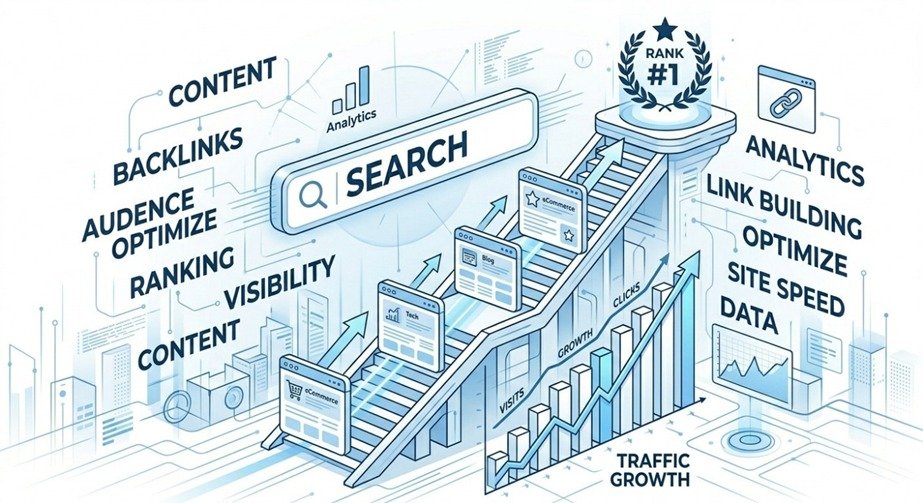
- The difference between a static and dynamic site is how they handle HTML files. Think of HTML files as a
- blueprint for a webpage. It’s a simple text file that uses special tags to tell your web browser (like Google Chrome) how to display the content.
- When you click on a link or type a web address into your browser, your browser sends a quick message to the server hosting that website: “Hey, could you send me this page?” The server responds by sending over an HTML file, plus extra files like images and stylesheets. Your browser reads through all that information and shows it as a webpage.
- Static websites usually store complete HTML files on the server, so regardless of who asks, the server hands over the same files “as is,” so it’s generally quicker and simpler to deliver.
- Dynamic websites, on the other hand, typically piece together their HTML on the fly, drawing from databases or performing server-side processing before sending the final page to your browser. This allows for personalized content and features that adapt to your interactions.
- Furthermore, another significant difference between dynamic and static websites is how they render content. Dynamic sites use server-side languages to process requests. Once requested, dynamic websites subsequently generate a page and content in real-time. Static websites, on the other hand, Are static pages more SEO friendly than dynamic in 2026 contain prerendered pages that are cached and delivered to the user.
Dynamic pages main map diagrams advantages:
- dynamic pages important content clusters create panna help.
- Content gaps clear-aa visualize panna best tools.
- Google site-la authoritative-aa consider panna, topic clustering correct logic structure follow panna use.
Dynamic pages main map diagrams disadvantages:
- Diagrams logic analysis structure, structure visualize direct raw data store panna help panna.
- Diagrams high maintain cost dynamic result produce static-aa results produce panna tool.
SEO USES AND BENEFITS:
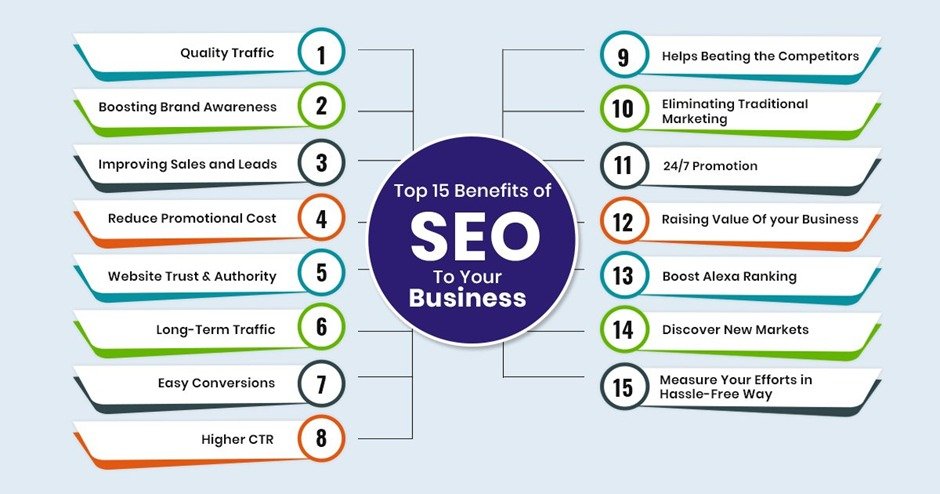
What is the purpose difference static and dynamic:
- Static Pages: These are pre-built files (HTML, CSS, JS) stored on a server. When a user visits, the server simply hands over the file. It’s like a physical book; the content is already printed.
- Dynamic Pages: These are generated in real-time. When a user visits, the server pulls data from a database and “builds” the page on the fly. It’s like a digital sign that changes based on who is looking at it.
When Dynamic Pages Are Better for SEO:
- Content Freshness: Search engines Favor sites that are frequently updated. Dynamic sites (like those using WordPress) make it much easier to regularly publish new blogs or update product info via a Content Management System (CMS).
- Engagement Signals: Dynamic features like personalized recommendations, comments, and user accounts can increase “time on site” and lower “bounce rates high value to Google.
- Scalability: For large-scale SEO strategies (e.g., e-commerce sites with thousands of products), dynamic architecture is essential for managing and organizing content efficiently.
- Content Freshness: Search engines Favor sites that are frequently updated. Dynamic sites (like those using WordPress) make it much easier to regularly publish new blogs or update product info via a Content Management System (CMS).
- Engagement Signals: Dynamic features like personalized recommendations, comments, and user accounts can increase “time on site” and lower “bounce rates high value to Google.
- Scalability: For large-scale SEO strategies (e.g., e-commerce sites with thousands of products), dynamic architecture is essential for managing and organizing content efficiently. Speed and Performance Speed and performance are critical, often interconnected, factors that determine efficiency and success in fields ranging from athletics to IT systems. In a technical context, speed refers to the rate at which an action is completed, such as data throughput or maximum velocity. Performance, however, is a broader concept that includes speed but also encompasses capacity, reliability, and how effectively a system handles load. High-performance systems are often defined by their ability to provide low-latency results and consistent, reliable operations under pressure, moving beyond just raw speed to meet user experience expectations.
- Lower Latency: There is no “Wait, let me look that up in the database” phase.
- CDN Optimization: Static files are incredibly easy to distribute across Content Delivery Networks (CDNs), meaning the site loads fast regardless of where the user is located.
- which is the best 3 month courses?
1.Crawlability and Indexing:
- Predictability: Static pages have fixed URLs and structures, making it very easy for bots to find and index content.
- No Rendering Hurdles: While Google is better at rendering JavaScript now, dynamic sites that rely heavily on client-side rendering can sometimes experience “indexing lag” where the bot sees a blank page before the content loads.
2.Security and Uptime:
- Smaller Attack Surface: Static sites don’t have databases or plugins that can be easily exploited.
- Reliability: If a database crashes, a dynamic site goes dark. A static site stays live because it doesn’t rely on a database to show content.
Key SEO Comparison:
- Speed & Performance: Static sites offer faster page loading because they are pre-written HTML, which is a major ranking factor for search engines.
- Crawlability: Static sites have simple structures, making it easier for search engine bots to crawl and index all pages.
- Speed & Performance: Static sites offer faster page loading because they are pre-written HTML, which is a major ranking factor for search engines.
- Crawlability: Static sites have simple structures, making it easier for search engine bots to crawl and index all pages.
- Content Freshness: Dynamic sites are better for maintaining fresh content (e.g., blogs, news), which improves ranking potential over time.

- Technical SEO: Dynamic sites can generate cleaner, customized HTML through Content Management Systems (CMS), but if not optimized, they can be slower and harder to crawl.
- Security: Static websites are more secure due to fewer vulnerabilities, reducing risks that can hurt SEO performance.
- Static Pages: Use for landing pages, simple business sites, or portfolios needing high security and lightning-fast speed.
- Dynamic Pages: Use for e-commerce, websites with regular content updates, or sites requiring user personalization.
When Dynamic Pages Are Better for seo:
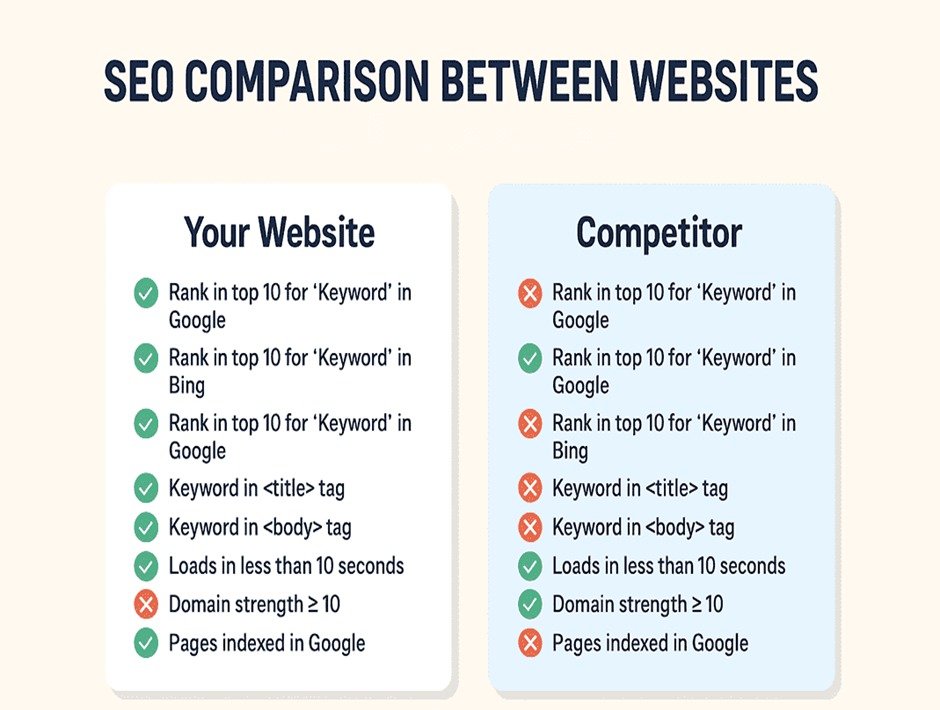
An SEO comparison between websites is the process of evaluating your search performance against top-ranking rivals, primarily focusing on keyword rankings, backlink profiles, and on-page content quality.This analysis helps identify both “search competitors”—who rank in the top 10 for your keywords—and “business competitors,” allowing you to develop a strategic roadmap to close the gap in traffic and authority. Effective comparison involves evaluating technical aspects like page loading speed and mobile responsiveness, alongside content factors such as user intent alignment and topical authority. This analysis helps identify both “search competitors”—who rank in the top 10 for your keywords—and “business competitors,” allowing you to develop a strategic roadmap to close the gap in traffic and authority.
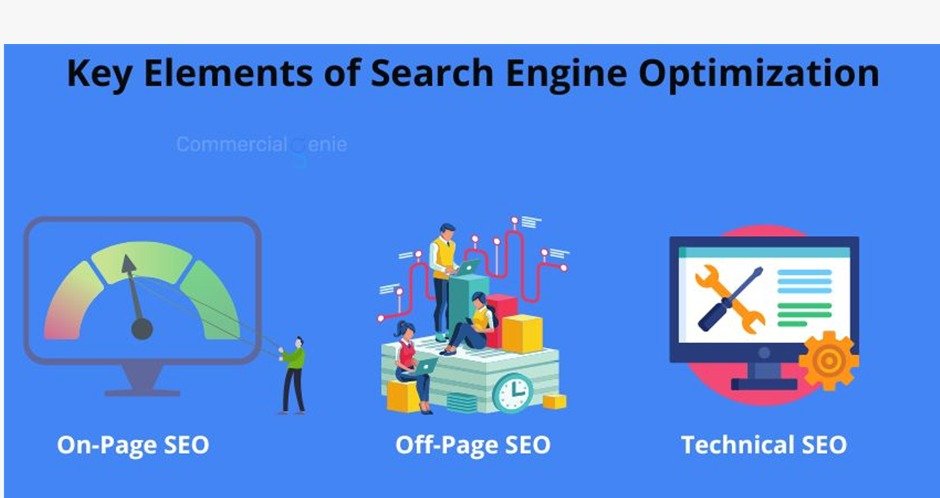
Key Aspects of an SEO Website Comparison:
- Keyword Strategy & Gaps: Identify missed opportunities, search volume differences, and keyword optimization disparities between competitors
- Speed & Performance: Static sites offer faster page loading because they are pre-written HTML, which is a major ranking factor for search engines.
- Crawlability: Static sites have simple structures, making it easier for search engine bots to crawl and index all pages.
- Content & Topical Authority: Evaluate the depth, structure, and quality of content, ensuring your site addresses topics as thoroughly as or better than rivals.
- Backlink Profile & Domain Authority: Compare the number and quality of backlinks, which often dictate ranking strength.
- Technical SEO & User Experience (UX): Compare Core Web Vitals, such as site speed, mobile usability, and structure.
- Speed & Performance: Static sites offer faster page loading because they are pre-written HTML, which is a major ranking factor for search engines.
- Crawlability: Static sites have simple structures, making it easier for search engine bots to crawl and index all pages.
- Content & Topical Authority: Evaluate the depth, structure, and quality of content, ensuring your site addresses topics as thoroughly as or better than rivals.
Tools & Techniques:
- Head-to-Head Comparison: Using free tools to analyze two URLs side-by-side for on-page SEO.
- Competitor Mapping: Selecting 3-5 competitors currently occupying the top positions for your target queries to set a baseline.
- Site Auditors/Crawlers: Tools like SEMrush, Arefs, or Screaming Frog are commonly used for in-depth analysis of backlinks, technical structure, and keyword overlap.
- Head-to-Head Comparison: Using free tools to analyze two URLs side-by-side for on-page SEO.
- Competitor Mapping: Selecting 3-5 competitors currently occupying the top positions for your target queries to set a baseline. Are static pages more SEO friendly than dynamic in 2026
Conclusion:
Static pages may offer a slight SEO advantage due to speed and simplicity, but well-optimized dynamic pages can perform just as well or even better. Ultimately, SEO depends more on factors like content quality, page speed, mobile-friendliness, and proper optimization rather than whether a page is static or dynamic.
for more detail
visit us:
Winzy Academy | Web Design Course | Digital Marketing Course | Winzy Infotech
call us:+919790905152
